In today's rapidly evolving tech landscape, Web3 technologies such as blockchain, decentralized finance, and NFTs are quickly transforming the digital world. But when it comes to explaining these intricate concepts to potential investors, many founders find themselves in a conundrum. A well-prepared Web3 presentation for investors can make a world of difference in securing the much-needed funds to propel your project to new heights. In this blog post, we’ll go over some practical tips on how to break down complex Web3 concepts into an easy-to-understand investor presentation.
1. Web3 presentation for investors. Start with the Basics
The Problem:
Many entrepreneurs assume that their audience has the same level of understanding of Web3 technologies as they do. This often leads to jargon-heavy presentations that leave investors confused.
The Solution:
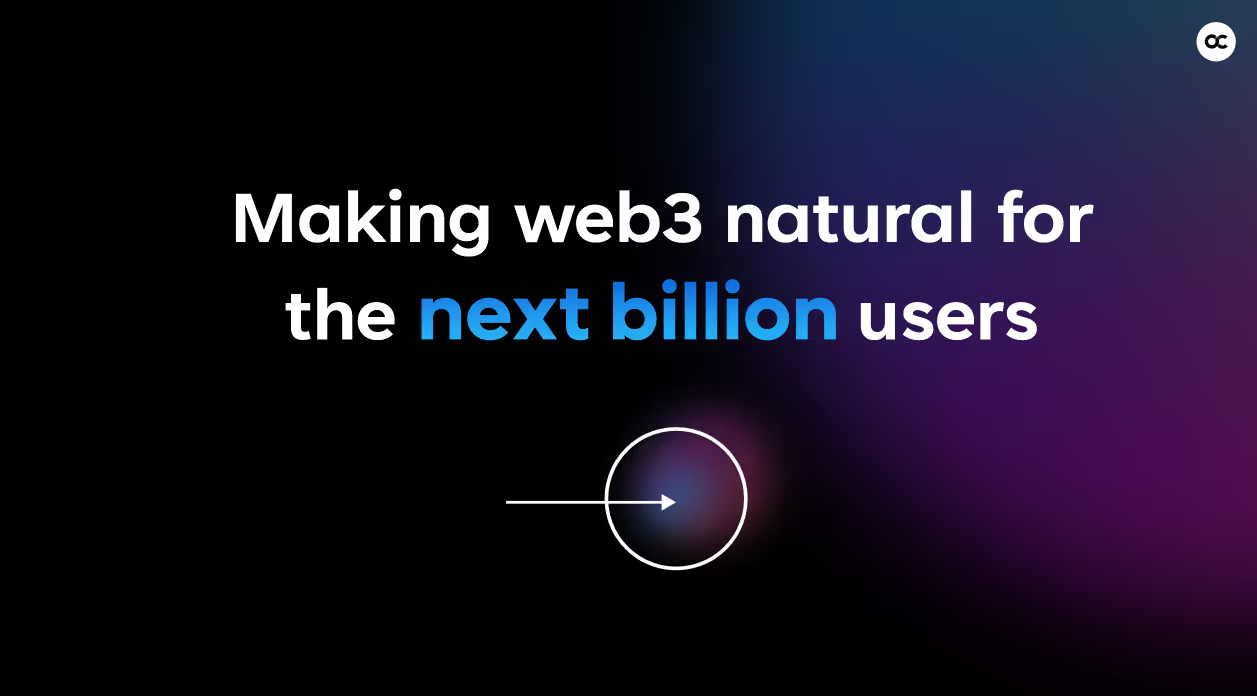
Begin your Web3 presentation by providing a simple explanation of what Web3 is and why it matters. Think of this as the "Web3 for Dummies" section. Use analogies and comparisons to things investors are already familiar with to help them grasp the concepts more easily.[caption id="attachment_1186" align="aligncenter" width="1257"]
Pitch_Deck_Studios Web3[/caption]
2. Use Simple, Engaging Visuals
The Problem:
Complex graphs and diagrams may look impressive but often do more harm than good if your audience can't understand them.
The Solution:
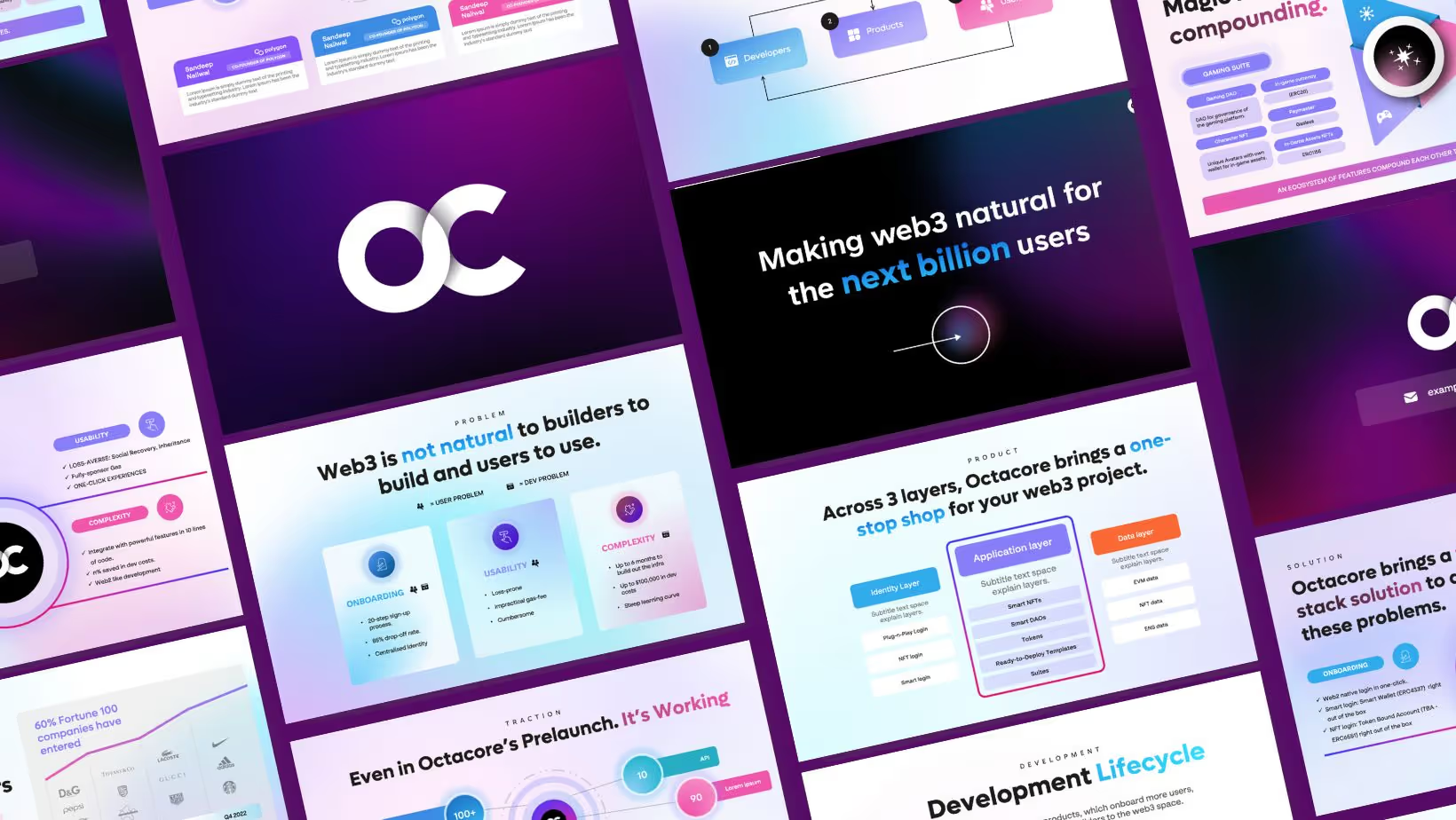
Incorporate straightforward, eye-catching visuals that can help break down complicated Web3 technologies. Infographics, flowcharts, and other visual aids can go a long way in making complex concepts more accessible to investors.[caption id="attachment_1183" align="aligncenter" width="1640"]
Pitch_Deck_Studios[/caption]
3. Web3 presentation for investors: prioritize key concepts
The Problem:
Web3 is a multifaceted technology that covers everything from cryptocurrencies to smart contracts to decentralized applications. Trying to explain it all can overwhelm your audience.
The Solution:
Identify the key Web3 concepts most relevant to your project and focus on explaining those. For instance, if your startup is about a decentralized marketplace, concentrate on smart contracts and decentralized governance rather than covering all the aspects of Web3 technology.
4. Share Real-world Applications and Case Studies
The Problem:
For many people, Web3 technologies remain abstract concepts with unclear real-world utility.
The Solution:
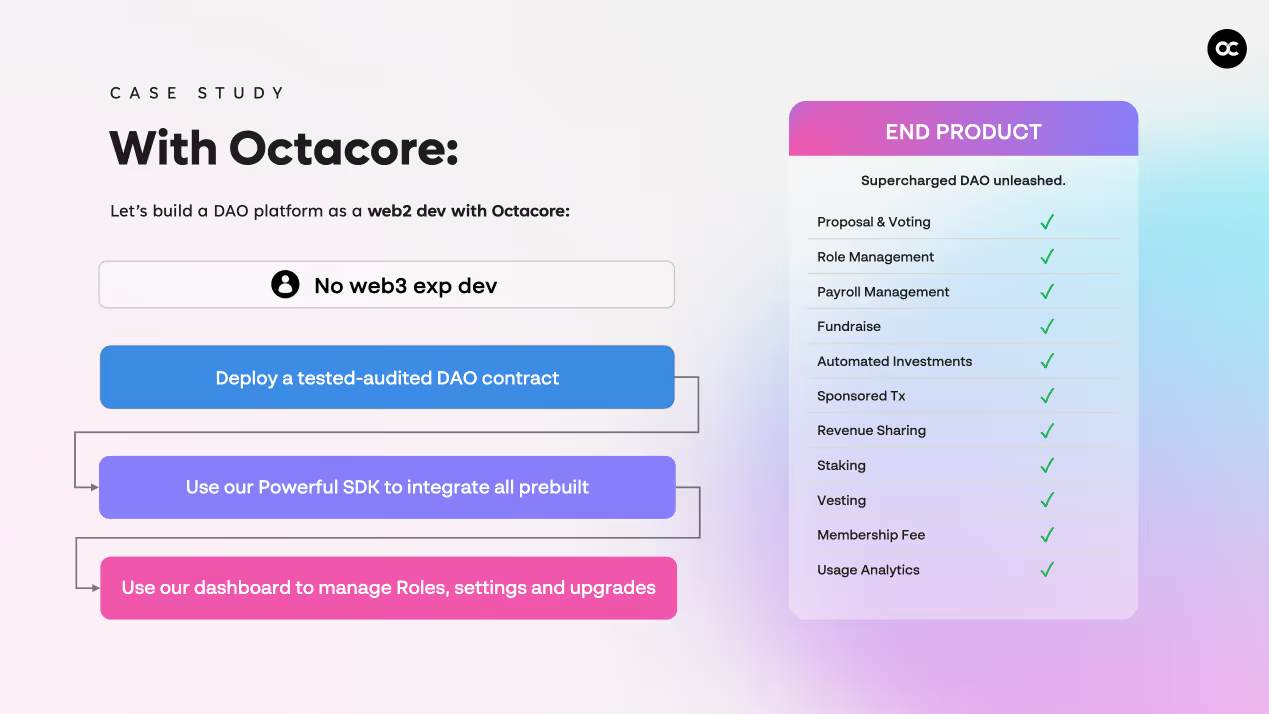
Include real-world examples and case studies that demonstrate the practical applications of Web3 technologies. This not only lends credibility to your presentation but also helps investors see the potential returns on their investment.
5. Make the Financials Clear
The Problem:
Investors are ultimately interested in the return on investment (ROI). Web3 projects often involve new kinds of revenue models, tokens, or financial incentives that may be unfamiliar to traditional investors.
The Solution:
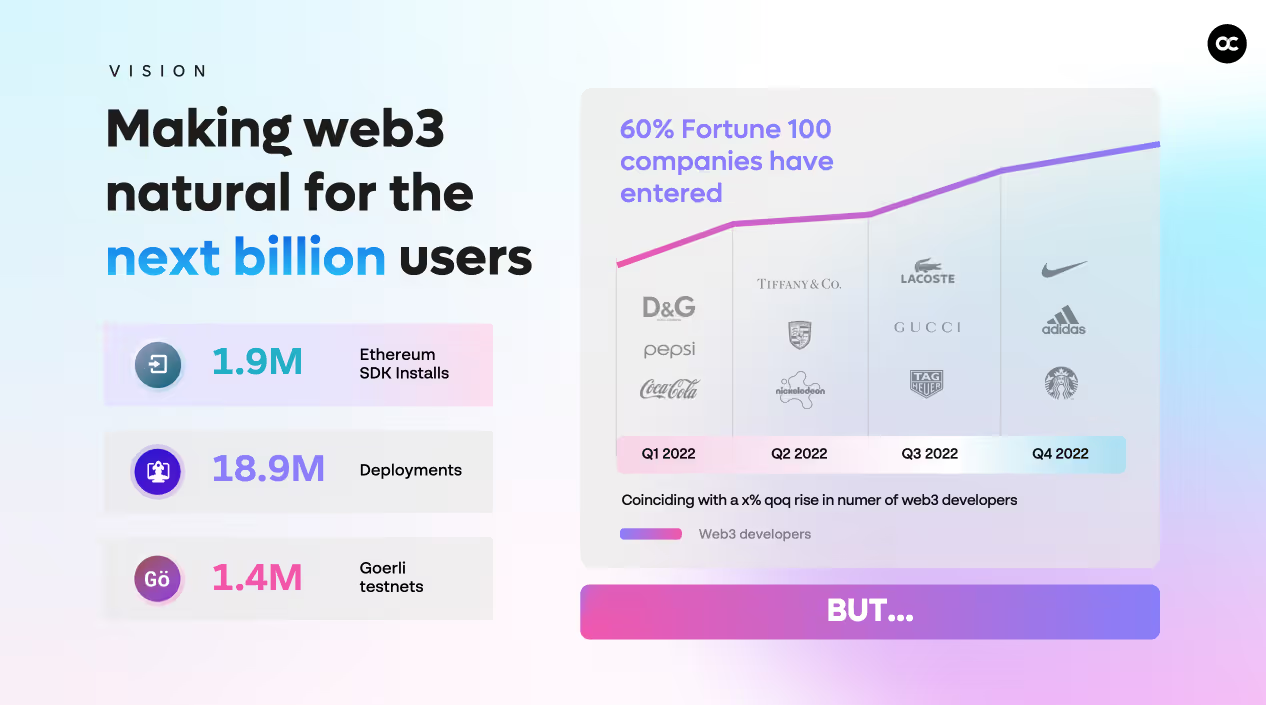
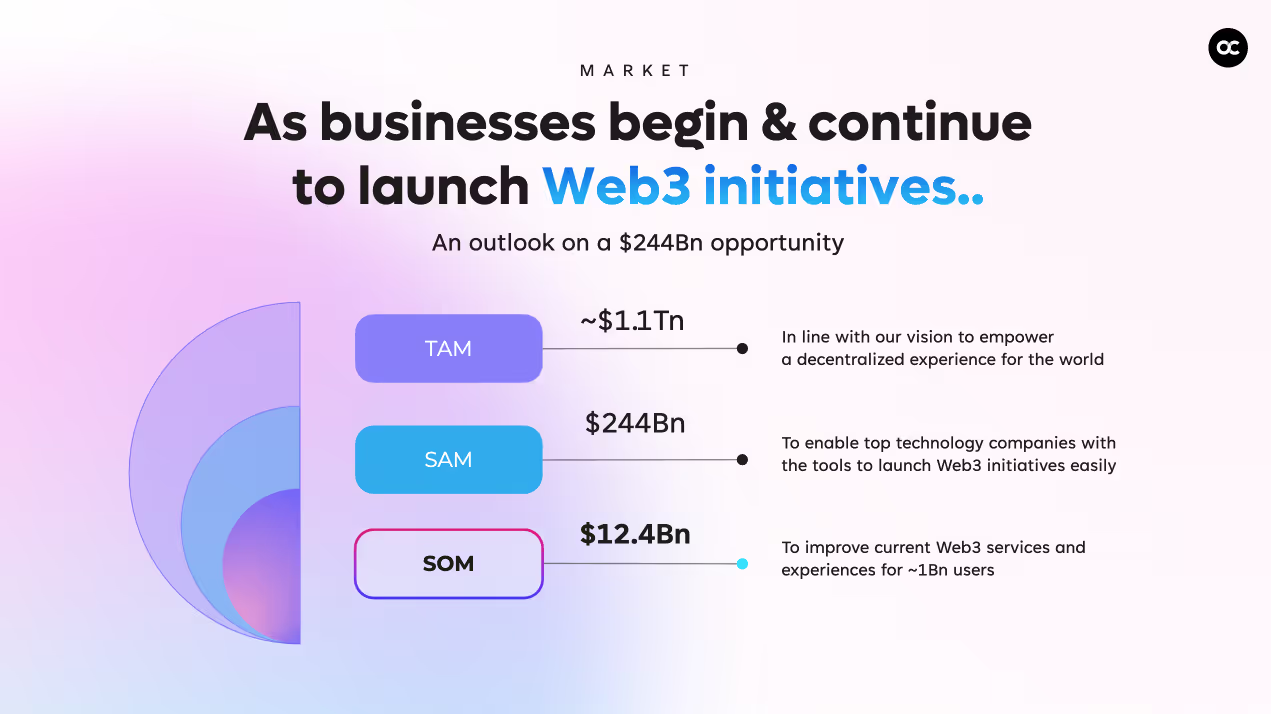
Devote a section of your Web3 presentation to explaining the financial aspects of your project in layman's terms. Make sure to include key metrics, projected revenues, and any other financial details that could pique an investor's interest.[caption id="attachment_1180" align="aligncenter" width="1271"]
Crypto Market Size[/caption]
Web3 presentation for investors: Conclusion
Navigating the complex world of Web3 can be daunting, but it’s crucial to remember that your primary role in delivering a Web3 presentation is that of an educator. By breaking down complex concepts into digestible parts, using engaging visuals, focusing on key ideas, showing real-world applications, and making the financials clear, you can create a compelling and accessible investor presentation.The future is Web3, and getting investors to understand and believe in your vision can be the first step towards building something truly revolutionary.
Written by:
Tags:
Funding deck
Investor Presentation
Pitch Deck
Startup presentation
You May Also Like
Investor Pitch Deck
AI Pitch Deck
September 15, 2026
Pitch Deck Studios vs. AI: What $1.6B in Raised Capital Taught Us
After reviewing thousands of investor decks and watching clients raise more than $1.6B, we've learned the decks that win aren't the prettiest ones. Here's what AI can and can't do about that.
Real Estate Pitch Deck
Investor Pitch Deck
July 23, 2026
Real Estate Documents: What They Are
Real estate documents do more than close deals, they set the first impression. See what they include, why they matter, and how stronger design helps you sell the vision, not just the property.
Investor Pitch Deck
Startup Pitch Deck
AI Pitch Decks Are Everywhere. But Investors Still Want Human Judgment.
AI can generate a polished pitch deck in minutes, but investors are judging the strategic thinking behind it, not just the slides. Here's why human judgment remains the real differentiator in fundraising.
Contact us
Thank you! Your submission has been received!
Oops! Something went wrong while submitting the form.

.svg)

.svg)




.avif)



.svg)
