A few years ago, keeping a brand consistent meant a PDF guideline nobody opened, a logo pack nobody could find, and a designer manually checking every slide before it went out the door. Today, that job is shifting to AI. A branding system for Claude — the set of colors, typography, components, and rules that Claude applies automatically to everything it creates — is quickly becoming the new baseline for founders, marketers, and design teams who need on-brand work at speed.
This shift matters far beyond one product. It signals where AI-assisted branding, pitch decks, and presentation design are heading industry-wide, and it directly affects how founders and teams should prepare their materials before their next fundraising round, sales pitch, or investor meeting.
What a Branding System for Claude actually is
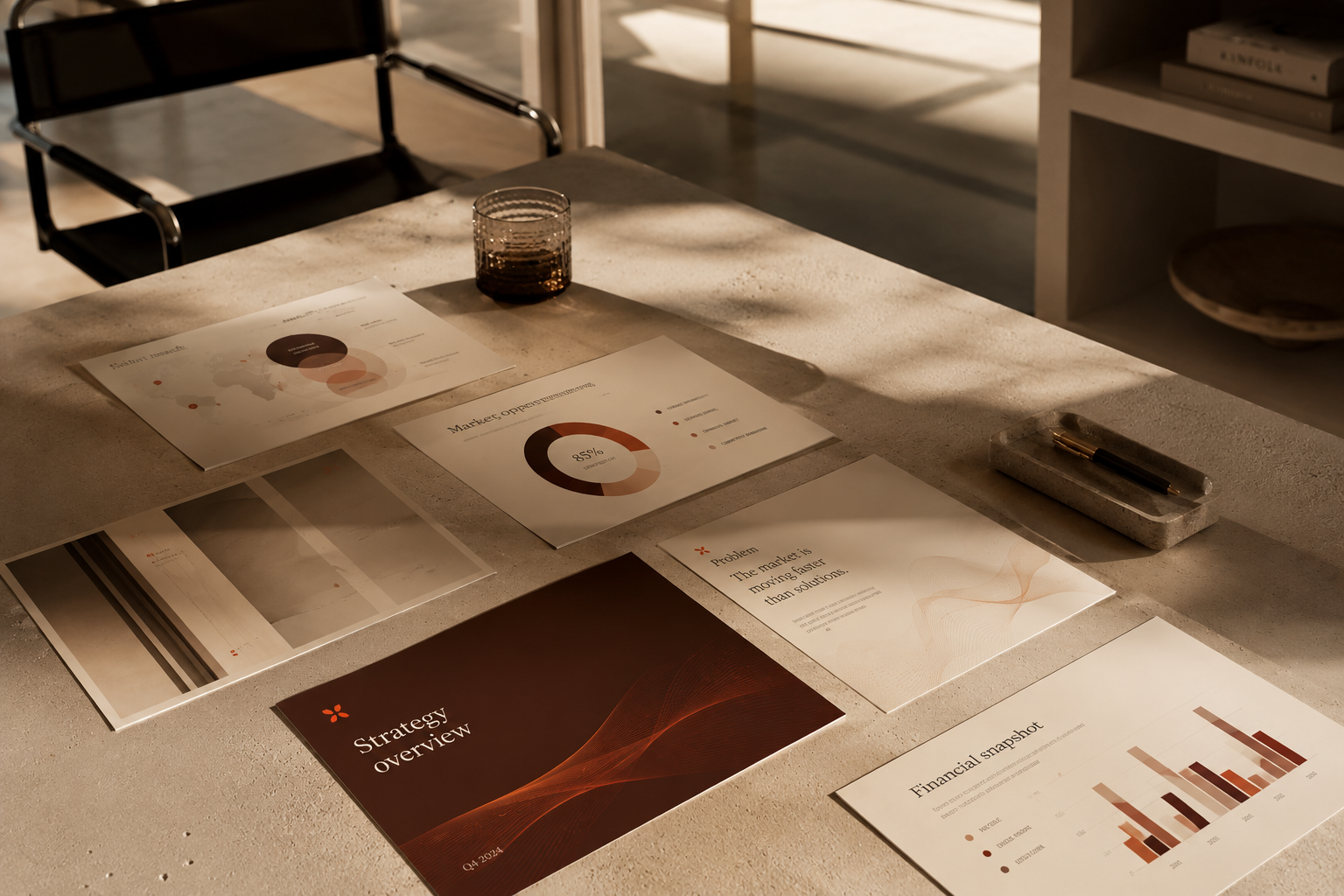
A branding system is not a single logo file or a color code. It is a structured set of rules that any tool, human or AI, can reuse across every asset it produces.
A complete branding system typically includes:
- Primary and secondary brand colors, defined for backgrounds, text, and accents
- Typography rules for headings, body copy, and captions
- Logo usage and spacing rules
- Component styles: buttons, charts, icons, cards, slide layouts
- Tone-of-voice guidelines for written content
When this system is fed into an AI model like Claude, every output, a slide, a one-pager, a landing page, a pitch deck, can automatically inherit the same colors, fonts, and structure, instead of being reinvented from scratch each time.
This is the same principle behind strong branding in pitch decks: consistency is not decoration, it is a trust signal that tells investors and clients the same care that went into the deck also exists inside the business.
Why Brands are Building AI-ready Design Systems now
For years, brand guidelines were built for humans: designers who could interpret a PDF and apply judgment. AI tools do not work that way. They need the rules encoded in a form they can read, check against, and reuse automatically.
This is driving a clear industry trend:
- Companies are converting static brand PDFs into structured, machine readable brand files
- Design systems are being pulled directly from existing codebases and Figma files, not rebuilt manually
- Enterprises are appointing internal owners to approve and lock a single brand system for company wide AI use
- Marketing, product, and design teams are sharing one source of truth instead of three different ones
The result is fewer off-brand assets slipping through, and far less time spent manually correcting AI output after the fact.
How Claude Applies a Brand System in Practice
When a branding system is connected, Claude does not just generate something "tasteful." It builds against a specific set of rules, then checks its own output before showing it to you.
In practice, this means Claude can:
- Read a codebase or design files during onboarding to extract existing colors, fonts, and components
- Apply that system automatically to new decks, pages, or prototypes going forward
- Compare its own draft against the approved brand system and self correct before delivery
- Maintain more than one brand system, useful for agencies or multi-brand companies
- Let admins lock a single approved system for company-wide use, so every project stays on-brand by default
This closes a gap that used to require a human reviewer on every single asset: color drift, inconsistent fonts, and mismatched components that quietly erode a brand's credibility over time.
The Industry Trend: From Static Guidelines to Living Systems
The bigger pattern here is not just one product feature. It is a shift across the AI and design industry.
Three trends stand out for founders and teams to watch:
- From PDF to protocol. Brand guidelines are moving away from static documents and into structured files that tools can query directly, the same way a style guide informs a designer.
- From one-off checks to automatic compliance. Instead of a designer manually catching an off brand color after the fact, AI systems now check their own work against the brand system before it ever reaches a human.
- From design silos to shared systems. The same brand system that shapes a pitch deck can now shape a landing page, a one-pager, or a slide export, all built from the same source of truth.
For founders preparing to raise funding or pitch a new client, this trend has a direct, practical payoff: on-brand pitch decks no longer require a full design cycle every time a slide needs updating.
What this means for Founders and Marketing Teams
Not every company has an engineering team ready to plug a codebase into an AI design tool. For founders and small teams, the takeaway is simpler and more actionable.
Before using AI to generate branded materials, prepare:
- A clear set of brand colors, in hex codes, not just descriptions like "blue" or "navy"
- One or two primary fonts, with a defined hierarchy between headings and body text
- A logo file in a usable format, plus basic spacing rules
- A short description of tone: is the brand formal, bold, minimal, playful?
Feeding these into an AI branding workflow, rather than a vague company description, is the single biggest factor in whether the output looks like a professional brand system or a generic template.
Where AI Branding still needs a Human Eye
AI-generated branding systems are efficient, but they are not a substitute for brand strategy. A model can apply rules perfectly and still miss the deeper judgment calls that make a brand feel distinctive rather than merely correct.
Human input still matters most for:
- Deciding what makes the brand different from competitors, not just what makes it "clean"
- Choosing an emotional tone that fits the audience, not just what looks polished
- Reviewing final decks and materials before they reach investors or clients
- Adjusting the system as the brand evolves, rather than letting it calcify
AI branding tools are strongest when they remove repetitive work, not when they replace strategic thinking.
Bringing it Back to Your Pitch
A branding system is only as valuable as the materials it ends up shaping. For founders and companies preparing an investor pitch, a sales deck, or a company profile, the question is not whether AI can apply your colors and fonts correctly. It is whether the finished deck still tells a clear, credible story once the branding is in place.
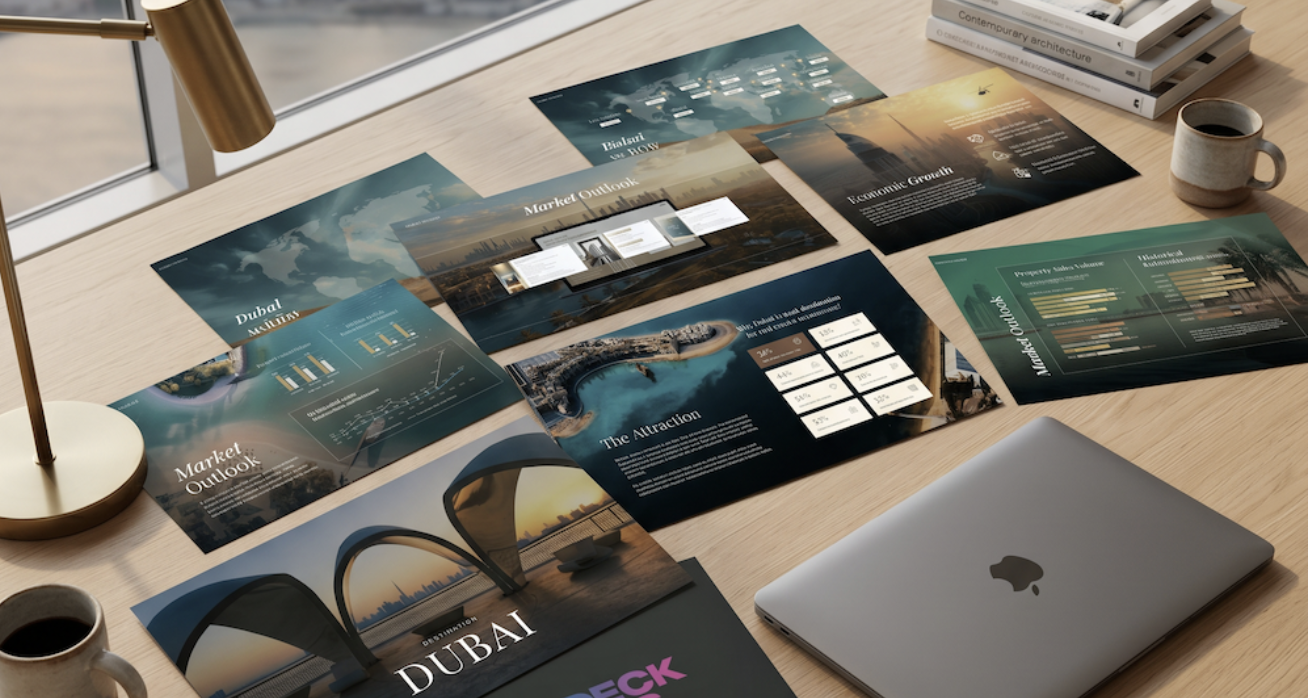
That is where Pitch Deck Studios' branding services come in: turning a defined brand system, AI-assisted or not, into a pitch deck that is consistent, professional, and built to earn trust before the conversation even starts.
Conclusion: Consistency is Becoming Automatic, but Strategy is Not
A branding system for Claude reflects a wider shift already reshaping the design and pitch deck industry: consistency is moving from a manual, after the fact check to an automatic, built-in default. That is good news for speed and for reducing off-brand mistakes.
But the brands that stand out will still be the ones with a clear point of view behind the system, not just a clean one. AI can hold the line on color, font, and layout. The story, the tone, and the strategy behind the brand remain a human responsibility.
Get both right, and every deck, page, or prototype you produce, AI-assisted or not, starts the conversation the same way a strong brand always has: with trust already in place.
Need help scaling your brand? Pitch Deck Studios can help you build a robust, cloud-based Claude Design System that your entire team can use. With the right setup, you can ensure consistency across all your assets and empower your team to create high-quality materials on their own, removing the need to hire additional designers to create simple documents.
.svg)

.svg)



.avif)



.svg)
