


When you have 30 minutes to pitch your business, product, or idea, the number of slides you use is crucial. Too many and you’ll rush through or omit critical information. Too few and you may leave your audience wanting more details. To make the most of your limited time, follow these key strategies for designing a polished 30-minute pitch deck.

30-minute pitch deck. Keep it High-Level
Resist packing too much granular detail into slides. A 30-minute presentation provides enough time to effectively communicate your overarching vision, key features, competitive advantages, business model, milestones, and team credentials. Save deeper dives for follow-up conversations.
Lead with Your Best
Hook your audience quickly by devoting your first 2-3 slides to articulating your central value proposition and product differentiators. Put your best foot forward before diving into the details.
Limit Slide Count
To allow 2-3 minutes per slide, aim for 10-15 slides total. This provides flexibility to expand on certain points while keeping within time constraints. Avoid crowding slides with too much text or information.
Allocate Time Strategically
After the introduction, allocate remaining slides to provide an overview of your product, user traction and market potential, competition, financial projections, team background, and future direction.
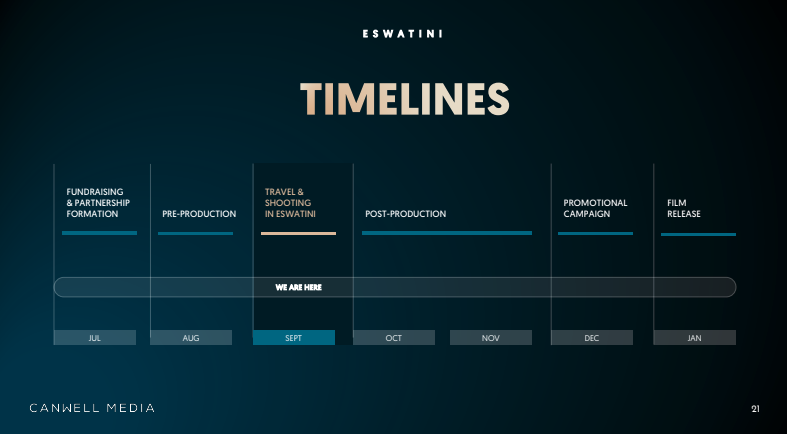
Prioritize Visuals
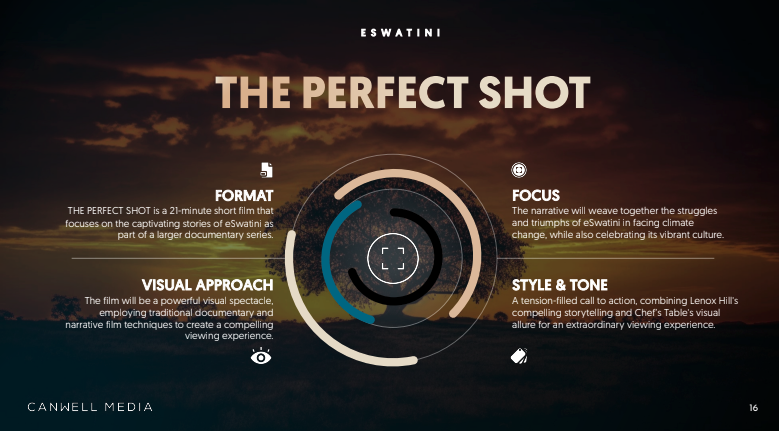
Graphs, charts, images, and diagrams make complex information easily digestible while limiting dense text. Visuals also aid audience retention.
Practice Rigorously
Practice your pitch flow with your slide deck at least 5-10 times. Refine content and slide order for smooth delivery that fills but doesn’t exceed the allotted 30 minutes.
30-minute pitch deck: Conclusion
With the right balance of brevity, strong visuals, and limited slides, you can deliver an impactful and coherent 30-minute pitch. Focus on nailing your narrative flow and key data to convince investors your business is worth their time and capital.
Contact us for a free consultation.


